
Four major earthquakes hit Venezuela, California and Japan within hours
Four major earthquakes struck across the globe within 12 hours, including deadly back-to-back quakes in Venezuela that killed more than 200 people and injured thousands.

By Leah Burdick
June 26, 2026

Listen
Listen to this article
Article Summary
- Four major earthquakes struck within 12 hours on June 24, 2026: two in Venezuela (magnitudes 7.2 and 7.5), one in Northern California (5.6), and one off the coast of Japan (6.9).
- Venezuela’s consecutive quakes killed over 200 people, injured thousands, and damaged or destroyed 250 buildings, including hospitals, the Red Cross headquarters, and the French embassy.
- The California and Japan earthquakes caused only minor damage and a few injuries, with no significant harm reported from the 5.6 and 6.9 magnitude events.
Article summary generated by AI
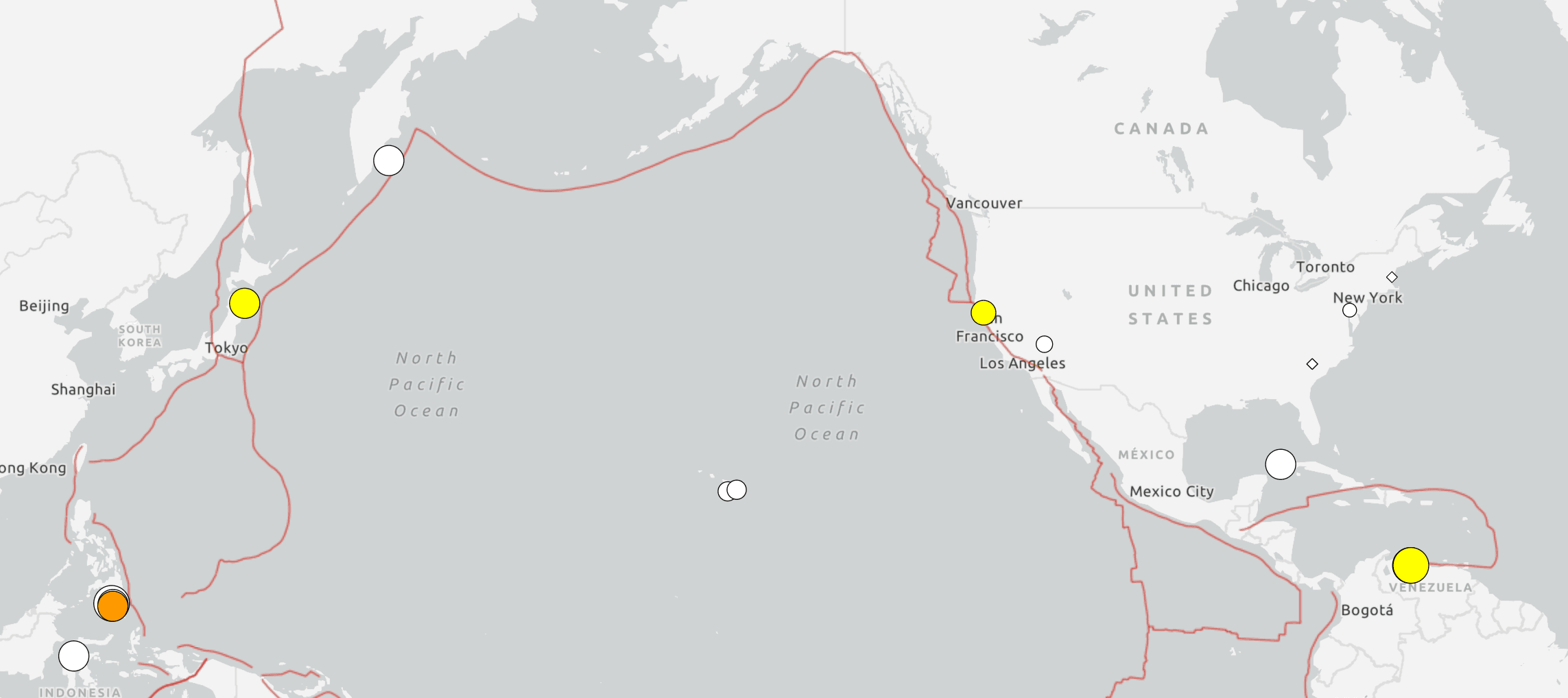
Four major earthquakes struck across the globe on June 24, 2026, including two back-to-back quakes in Venezuela, one near Northern California and another off the coast of Japan.
All four earthquakes occurred within a 12-hour span. The quakes in California and Japan caused minor damage, while Venezuela’s consecutive earthquakes left more than 200 people dead and thousands injured.
A magnitude 7.2 earthquake struck west of Caracas Wednesday evening, followed less than a minute later by a magnitude 7.5 tremor.
Jorge Rodríguez, head of Venezuela’s National Assembly and brother of interim President Delcy Rodríguez, told Reuters that about 200 people were trapped and 250 buildings were damaged or destroyed, including eight hospitals, the headquarters of the Venezuelan Red Cross and the French embassy.
“When we went downstairs, the scene was like a horror movie,” Caracas resident María Alejandra told Reuters.
Rescue crews continue searching for missing residents as officials assess the extent of the damage.
The earthquake sequence is considered the most powerful to hit Venezuela in more than a century.
Japan’s earthquake struck off the eastern coast of Iwate and registered a magnitude of 6.9. Japan’s Fire and Disaster Management Agency told PBS that eight people were injured in northern Aomori and Iwate.
A magnitude 5.6 earthquake also struck near Northern California, according to USA Today. No injuries or significant damage were reported.
What to do during an Earthquake
When an earthquake strikes, it is important to follow safety procedures and remain alert for aftershocks or tsunami warnings.
People indoors should not attempt to leave during an earthquake, says advice from the United States Geological Survey (USGC). Instead, residents should drop, cover and hold on by getting underneath a sturdy desk or table and holding onto it until the shaking stops.
If a person is in a hallway, the USGS recommends dropping, covering and staying against an interior wall. Residents should also stay away from windows, fireplaces and heavy furniture that could fall or break.
If outside during an earthquake, the USGS recommends moving away from buildings, power lines, trees and other objects that could collapse or fall.
The American Red Cross recommends residents learn whether they live in an area prone to earthquakes and practice safety procedures, including the drop, cover and hold on method.
For those living in earthquake-prone areas, the Red Cross also recommends securing household items that could fall using straps, hooks and other safety devices designed to keep heavy objects attached to walls.
Another important preparation step is creating an emergency supply kit that can be quickly grabbed during an earthquake. Supplies should include items such as medication, food, water, batteries and other essentials that can last at least three days.
While earthquakes can be difficult to predict, early warning systems continue to improve and can provide valuable seconds of notice before shaking begins. Learning earthquake safety procedures ahead of time can help reduce injuries and keep communities prepared.
More in Longevity
Longevity
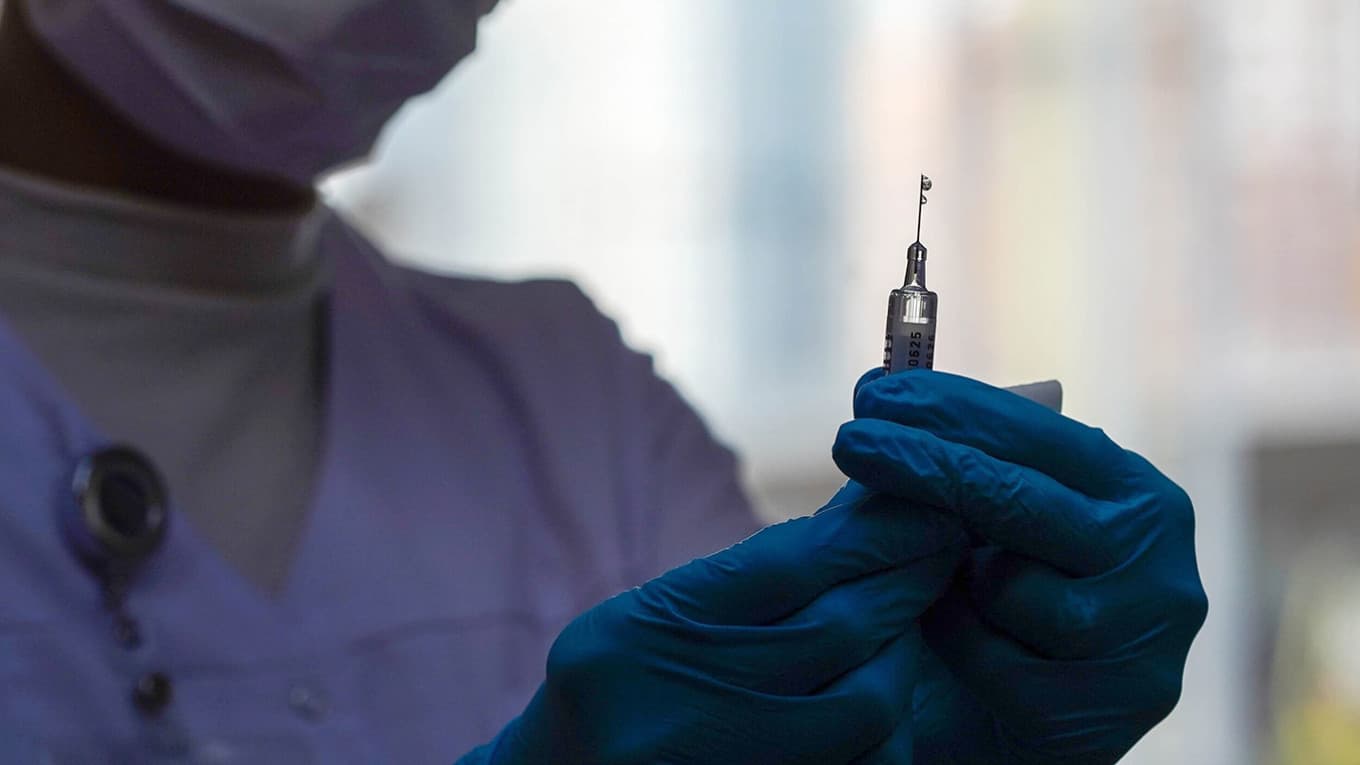
Russia Announces Anti-Aging Vaccine Research as Experts Weigh Scientific Challenges
A Russian announcement claiming progress toward an anti-aging vaccine has gained global attention, but questions remain about the science, timeline and whether the technology is ready for human use. Researchers say the project is still in early stages, with no reported human trials underway.
Longevity
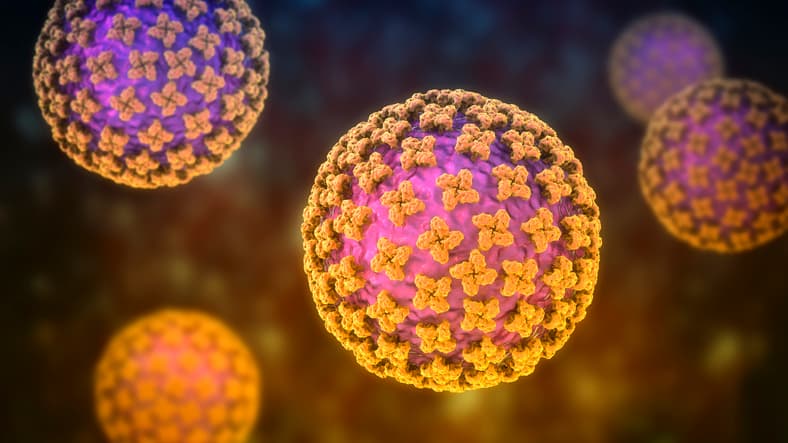
Cruise Ship MV Hondius Faces Rare Hantavirus Outbreak Amid Ongoing Health Investigation
Rare hantavirus outbreak aboard the MV Hondius cruise ship has left three passengers dead and several others infected, prompting an international health response and ongoing investigation by global and national health agencies. Officials say the risk to the general public remains low