
Russia Announces Anti-Aging Vaccine Research as Experts Weigh Scientific Challenges
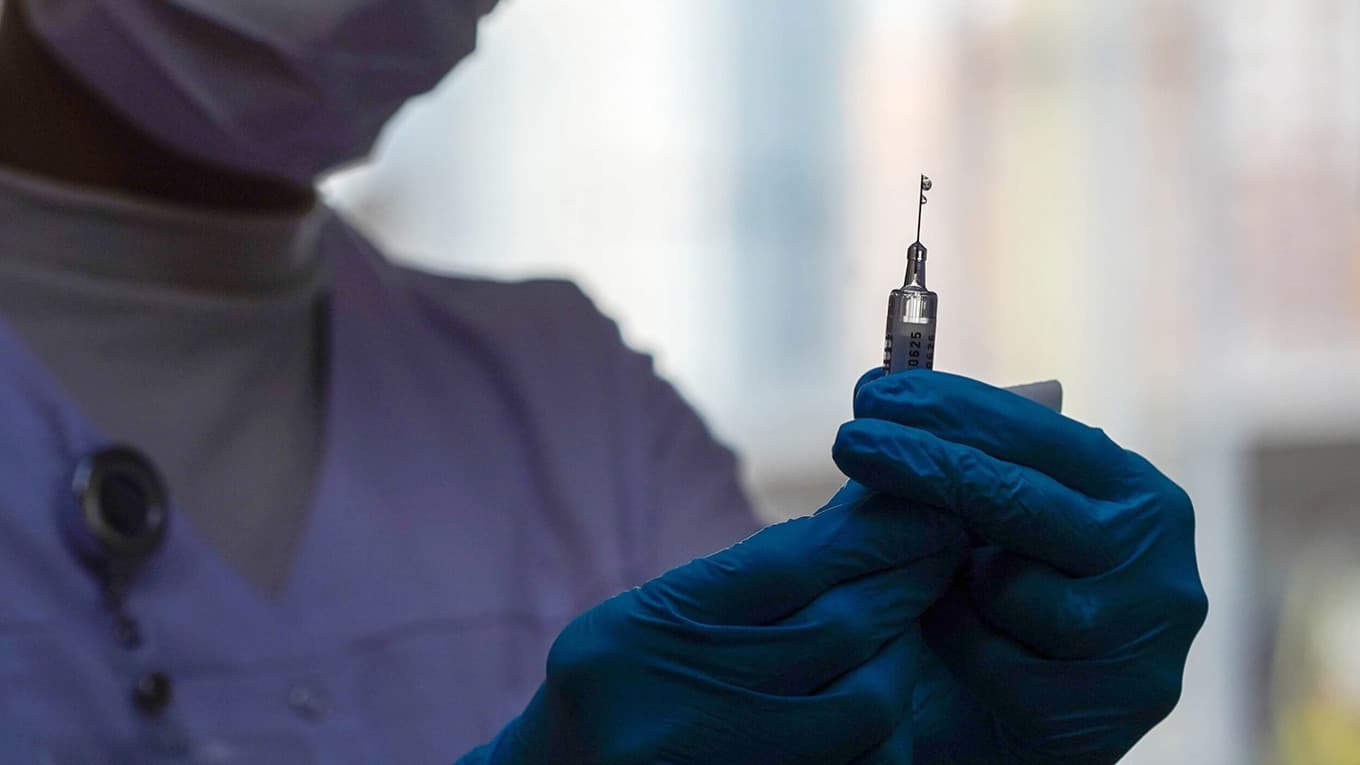
A Russian announcement claiming progress toward an anti-aging vaccine has gained global attention, but questions remain about the science, timeline and whether the technology is ready for human use. Researchers say the project is still in early stages, with no reported human trials underway.

By Leah Burdick
June 15, 2026

Listen
Listen to this article
Article Summary
- Russian scientists announced plans to develop an anti-aging vaccine by blocking the RAGE gene, with a target of 2028-2030 under a national project costing $27 billion.
- Experts raise scientific challenges, noting no human trials have been conducted, and the RAGE pathway is complex; lifestyle changes may be more effective.
- The project is seen as part of international competition in longevity science, but critics question its feasibility, calling it political theater.
Article summary generated by AI
Russian scientists announced they are planning to develop an anti-aging vaccine during a Russian visiting conference in Saransk. This vaccine raises questions about the completion efforts of the drug.
Denis Sekirinsky, deputy minister of science and higher education of the Russian Federation, said Russian scientists will block the RAGE gene, the gene that activates cellular aging.
RAGE stands for receptor for Advanced Glycation Endproducts.
“The RAGE gene is a receptor whose activation triggers cellular aging, while blocking this gene, conversely, can prolong its youth. This principle underpins an ambitious goal: to develop the world's first gene therapy drug that specifically blocks this receptor. This approach relies on cutting-edge genetic technologies and represents one of the most promising avenues in the fight against aging. The development is being led by the Institute of Aging Biology and Medicine," Sekirinsky said in an article by TASS.
Deputy Prime Minister Tatyana Golkova said she expects “a cure for aging” will happen between 2028 and 2030, according to The Moscow Times. This development is a part of the national project “New Health-Saving Technologies," which costs 2 trillion rubles or about $27 billion USD.
According to multiple media outlets the Russian research on RAGE receptors have been in both lab experiments and animal models, studying inflammation and disease. There have been no reports about human trials being done yet.
Multiple articles by The Moscow Times have said close sources described this project as an "obsessive idea” of Mikhail Kovalchuck, who is head of the Kurchatov Institute.
“Creating an antibody to attack the rage receptor may not be a great idea. It is a very complex pathway. Eating less processed foods, exercising, not over eating and sunlight (vitamin D) can lower the receptor without a vaccine,” said Professor Peter Smith, allergist and immunologist who has published research papers on RAGE receptors.
NAD+ Aging and Science said there are speculations that Russia can deliver on this promise of an anti-aging vaccine due to economic challenges.
A Statista report shows Russian men typically live to 67 years old, about a decade less than Americans.
“Russia’s longevity initiative can be seen as part of a new space race in which nations compete for human lifespan and health rather than rockets and interstellar glory. Along these lines, some critics argue that the initiative risks becoming more political theater than scientific revolution,” said NAD+ Aging and Science article.
The NY Post reported this announcement has grabbed global attention however, the United States has also been involved in similar anti-aging research. The U.S. frames this as research, instead of a singular vaccine like Russia. Media outlets are reporting that this announcement is reflecting the international competition in longevity science.
More in Longevity
Longevity
Cruise Ship MV Hondius Faces Rare Hantavirus Outbreak Amid Ongoing Health Investigation
Rare hantavirus outbreak aboard the MV Hondius cruise ship has left three passengers dead and several others infected, prompting an international health response and ongoing investigation by global and national health agencies. Officials say the risk to the general public remains low