
'Toy Story 5' Inspires Some Parents to Ditch Tech
While the Toy Story 5 eventually took a more neutral message on the place of technology in childhood, Toy Story 5 prompted some parents to consider making drastic changes in their own homes.

June 26, 2026


Listen
Listen to this article
Article Summary
- In 'Toy Story 5,' the antagonist is a children's tablet named Lilypad, which leads to screen addiction and cyberbullying.
- The film portrays children and adults glued to devices, prompting some parents to reconsider technology use at home.
- Parents on Instagram reported ditching iPads and other devices after seeing the movie, noting positive changes in their children.
Article summary generated by AI
In "Toy Story 5," the latest installment of Pixar Animation Studios' "Toy Story" franchise, the main antagonist is not a deviant neighbor child, a money-hungry toy enthusiast, or a fellow toy with an axe to grind. Instead, the villain appears in the form of "Lilypad," a children's tablet — and the movie has got some parents re-thinking their choices.
In the movie, Bonnie, 8, the main (human) character, is given a Lilypad device after her parents feared that she was missing out on friendships and socialization by not having one. Bonnie is then cyber bullied by her dance classmates through Lilypad's chat feature, and she is made fun of for playing with toys. Lilypad does not fit in with the other low-tech toys in Bonnie's bedroom, and even conspires to get them removed entirely and put into storage.
Throughout the film, Lilypad is convinced that her actions are for Bonnie's greater good, even as she clearly begins to struggle with screentime addiction and bullying.
In the Toy Story universe, it is made clear that toys are out and screens are in. Multiple scenes depict zombie-like children and adults glued to their devices, completely oblivious to the world around them.
While the movie eventually took a more neutral message on the place of technology in childhood verses a call for an outright prohibition on screens, Toy Story 5 prompted some parents to consider making drastic changes in their own homes.
Anyone else ridding their homes of devices after seeing Toy Story 5?
"Anyone else ridding their homes of devices after seeing Toy Story 5? Man this one hit me harder than I expected" wrote "Mr. J," an educator in Australia, on his Instagram account, "Mr. J's Learning Space."
A video in the post showed Mr. J throwing away various tech devices, including an Apple Watch, Nintendo Switch, and a laptop computer.
People in the comments concurred with Mr. J, saying that they felt validated by the movie.
"The night before we watched it, I had told my kids they won’t be getting phones until they are 13 (a previously discussed rule they constantly argue against) and told them I wouldn’t ruin their childhood by giving them a portable screen. This movie summed up my feelings exactly," wrote one Instagram user in response to the post.
"Our children thrived" without iPads
Another commented that the film reinforced their decisions to get rid of tablets for their children.
"We ditched iPads two years ago. It was the best and hardest decision at the time. Our children thrived without them. Their school even noticed a positive change," said the user.
The user continued, "We just went the other day to watch Toy Story 5 and I could have cried because it wasn’t an easy decision when everyone else has iPads and video games. Our children are never going to remember a day on their iPad."
Other parents reported that the movie inspired them, or their children, to engage in screen-free playtime.
"What I did like to see after the movie was my 9 year old sitting yesterday evening playing with her Monster high dolls like when she was even smaller," said another Instagram user.
More in AI & Technology
AI & Technology
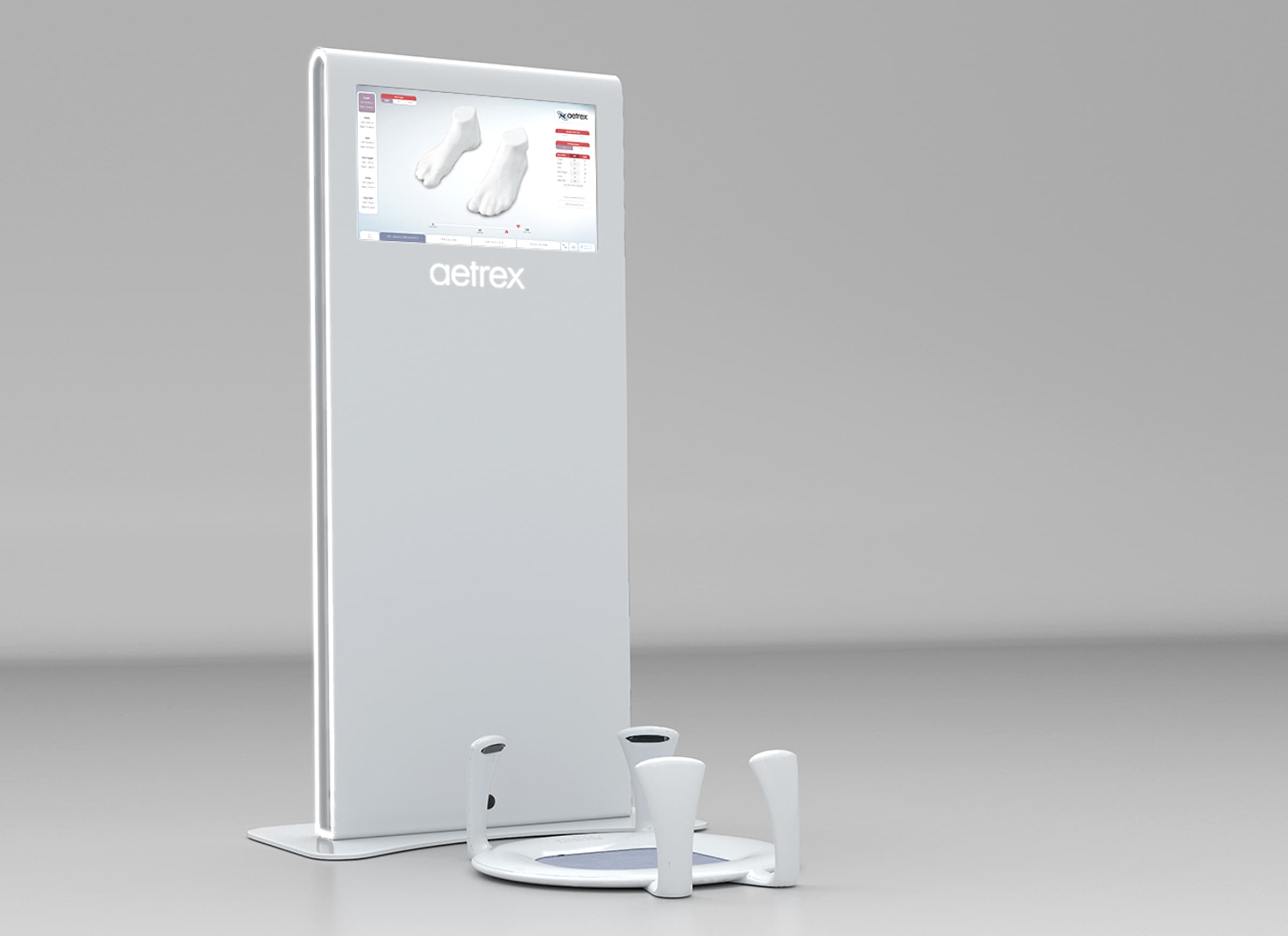
Aetrex Expands Its Foot Health Technology Into the Next Generation of Athletes
Aetrex is redefining the future of foot health through advanced scanning technology, custom orthotics and strategic partnerships. The company’s latest collaboration with IMG Academy brings its innovation to student-athletes while fueling its continued growth in the world of sports performance.
AI & Technology
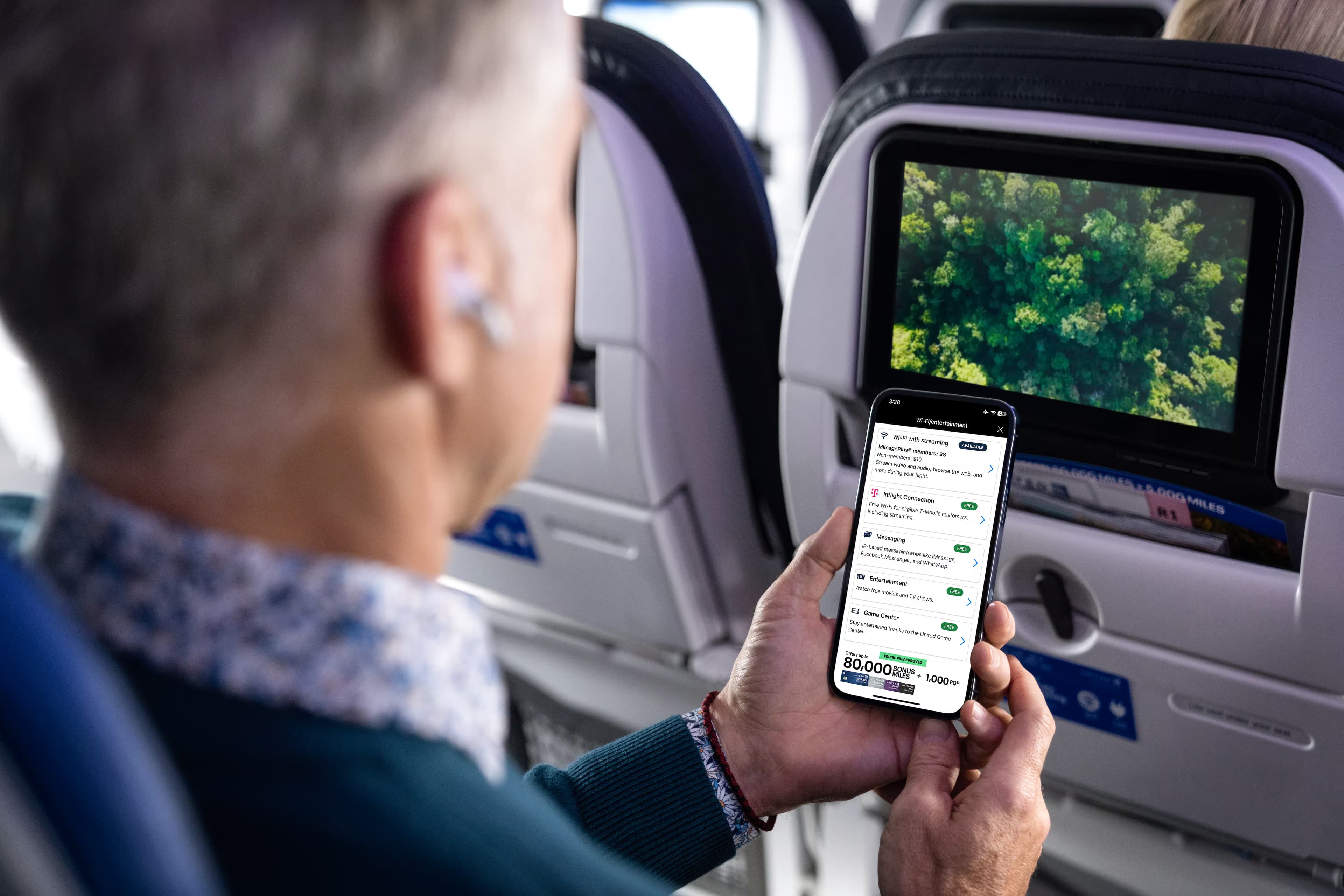
United Airlines adds Starlink Wi-Fi to Transatlantic Flights
United Airlines has begun bringing Starlink Wi-Fi to its transatlantic flights, and aims to outfit nearly 60 widebody planes with the service before the end of the year.

AI & Technology
Florida Startup Combines AI, Community Coaching to Expand Access to Wellness
TOTUM operates as a dual-sided marketplace connecting users with independent coaches who can build and monetize their own digital fitness business. The platform offers both a free consumer app and tool for trainers to create programs, host classes and sell products. Users do not have to pay for the fitness coaches. This free platform allows users to use AI to help build their own personal fitness journey.