
You Don't Need a Developer to Launch Your App Idea Anymore
A new generation of AI-powered app builders has made it possible for founders with no technical background to ship a real, working product in an afternoon.

By Sam Frost
March 27, 2026


Listen
Listen to this article
Article Summary
- AI-powered app builders like Lovable and Base44 now allow anyone with a clear idea to build and launch full-stack apps without coding, saving significant time and money compared to traditional development.
- Bubble offers deep workflow control and is best for complex SaaS products, but requires weeks or months to learn, making it unsuitable for rapid prototyping.
- Spreadsheet-first tools like Softr and Glide are ideal for quickly creating customer-facing apps or internal tools on top of existing data in Airtable or Google Sheets.
Article summary generated by AI
For most of the internet's history, building an app meant one of two things: learning to code, or paying someone who had. Both cost time and money that early-stage founders rarely had in abundance. That barrier has collapsed. A crop of AI-powered app builders now lets anyone with a clear idea and a keyboard ship something real, fast.
These tools are not all created equal, and picking the wrong one wastes the time you were trying to save. Here are five worth knowing about.
Lovable
Lovable is arguably the most talked-about AI app builder right now, and for good reason. You describe the app you want in plain language, and it generates a complete, deployable full-stack product — React frontend, Supabase database, authentication, the lot. The output is real, editable code that syncs to GitHub, which means you are not locked into a proprietary system you cannot escape later.
Real builders have used it to produce genuine commercial products. One founder with no coding background built a women's safety app called Plinq that reached 10,000 users and $456,000 in annual recurring revenue within months of launch. A marketing team at AppDirect rebuilt their entire website in under a month, saving an estimated $80,000 against what a traditional agency would have charged.
The starting plan is $20 a month. The main complaints from real users are hitting message limits on lower tiers and the AI occasionally breaking things when asked to make complex changes. Both are manageable if you know what to expect going in.
Base44
Base44 is the newer arrival that caught the industry's attention fast enough that Wix acquired it for $80 million just six months after launch. It works on the same principle as Lovable — describe your app, watch it get built — but it is more self-contained. The database, hosting, authentication, and analytics are all built in, with no need to wire up external services. For founders who want the fewest moving parts, that is a meaningful distinction.
The platform includes a Discuss Mode that lets you brainstorm and refine with the AI without touching your live app, which is a genuinely useful feature when you are still working out the logic of something. It also selects the best available AI model for your build automatically, or lets you switch manually.
Worth noting: a security vulnerability was discovered and patched within 24 hours in mid-2025, which speaks well of the response but is worth knowing about. GitHub export was still in beta at time of writing, and like Lovable, the credit-based pricing catches some users off guard when iterating heavily.
Bubble
Bubble has been around since 2012 and has over 7 million applications launched on its platform. It is a fundamentally different kind of tool from the newer AI-first builders — visual rather than conversational, and built for founders who need deep workflow control rather than the fastest path to a first prototype.
Complex multi-step logic, conditional branching, role-based user access, and fully customisable dashboards are all areas where Bubble outperforms newer tools. If you are building a SaaS product where the business logic is intricate and needs to be transparent and editable without involving a developer, Bubble's visual workflow builder is still the most capable option on the market.
The trade-off is time. Getting fluent with Bubble takes weeks, sometimes months. It rewards patience and punishes impatience. If you know exactly what you are building and it is complex, it is the right call. If you are still figuring out what you are building, start somewhere else.
Softr
Softr sits in a different lane from the others. It is purpose-built for teams that already have their data in Airtable or Google Sheets and want to build a customer-facing app or internal tool on top of it without rebuilding their data structure from scratch.
E-commerce storefronts, client portals, member directories, booking systems — Softr handles all of these well, with templates that cover most standard use cases. Checkout and payment flows are handled natively. For product-based businesses or small teams managing operations through spreadsheets, it removes a significant amount of friction.
It will not take you far if your product requires custom logic or a database built from the ground up, but within its lane it is fast, reliable, and cheap to get started with.
Glide
Glide takes a similar spreadsheet-first approach to Softr but leans toward operational tools for service businesses. Booking systems, inventory management, internal dashboards — Glide takes the data structure you already work with and builds a clean, functional interface around it.
The key advantage is familiarity. Your team does not have to learn a new system or migrate data anywhere. The spreadsheet stays where it is, and Glide builds an app layer on top of it. For small businesses paying for off-the-shelf software that does not quite fit their workflow, Glide is often a faster and cheaper alternative.
More in AI & Technology

AI & Technology
'Toy Story 5' Inspires Some Parents to Ditch Tech
While the Toy Story 5 eventually took a more neutral message on the place of technology in childhood, Toy Story 5 prompted some parents to consider making drastic changes in their own homes.
AI & Technology
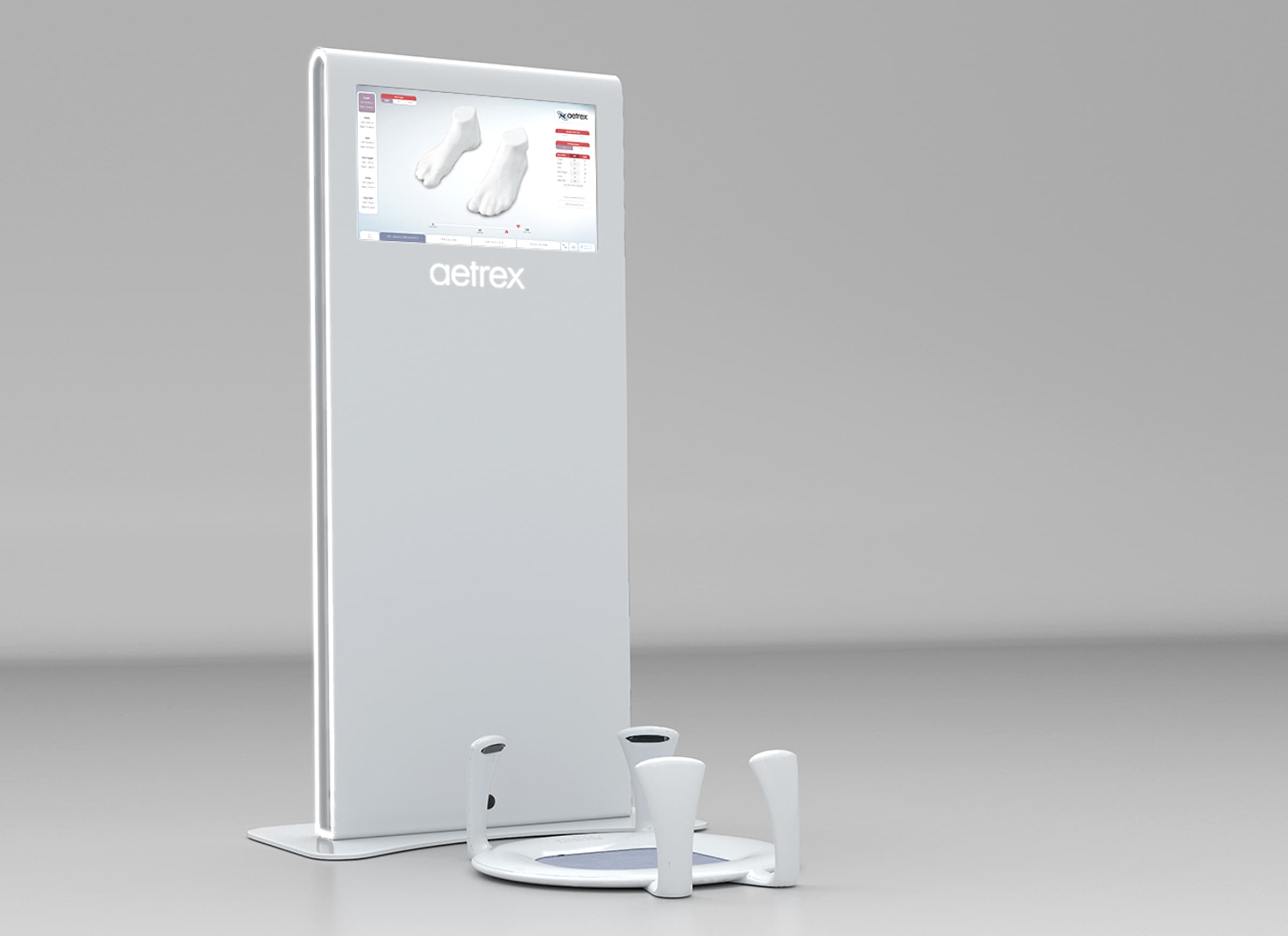
Aetrex Expands Its Foot Health Technology Into the Next Generation of Athletes
Aetrex is redefining the future of foot health through advanced scanning technology, custom orthotics and strategic partnerships. The company’s latest collaboration with IMG Academy brings its innovation to student-athletes while fueling its continued growth in the world of sports performance.
AI & Technology
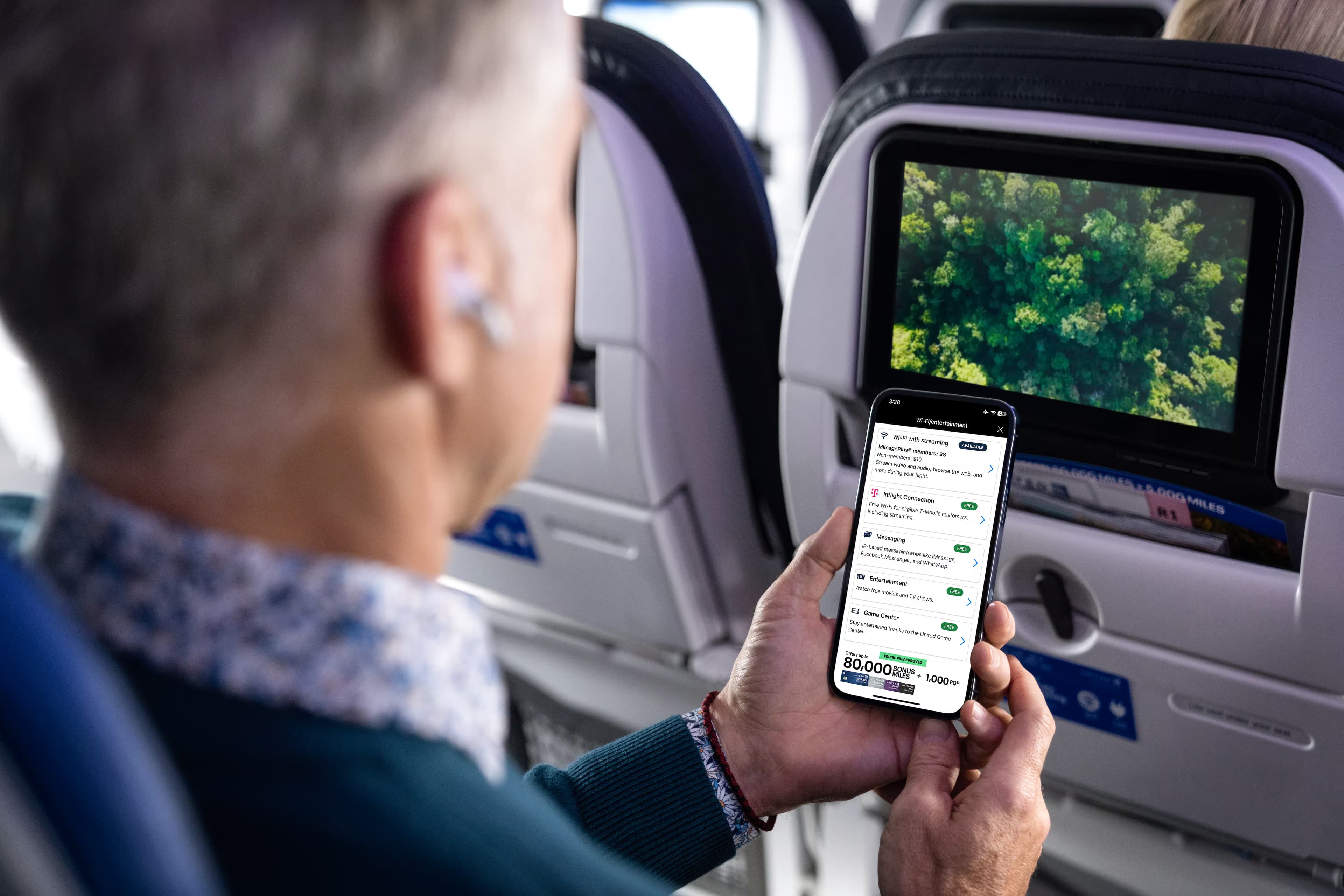
United Airlines adds Starlink Wi-Fi to Transatlantic Flights
United Airlines has begun bringing Starlink Wi-Fi to its transatlantic flights, and aims to outfit nearly 60 widebody planes with the service before the end of the year.